
002 - Time Block
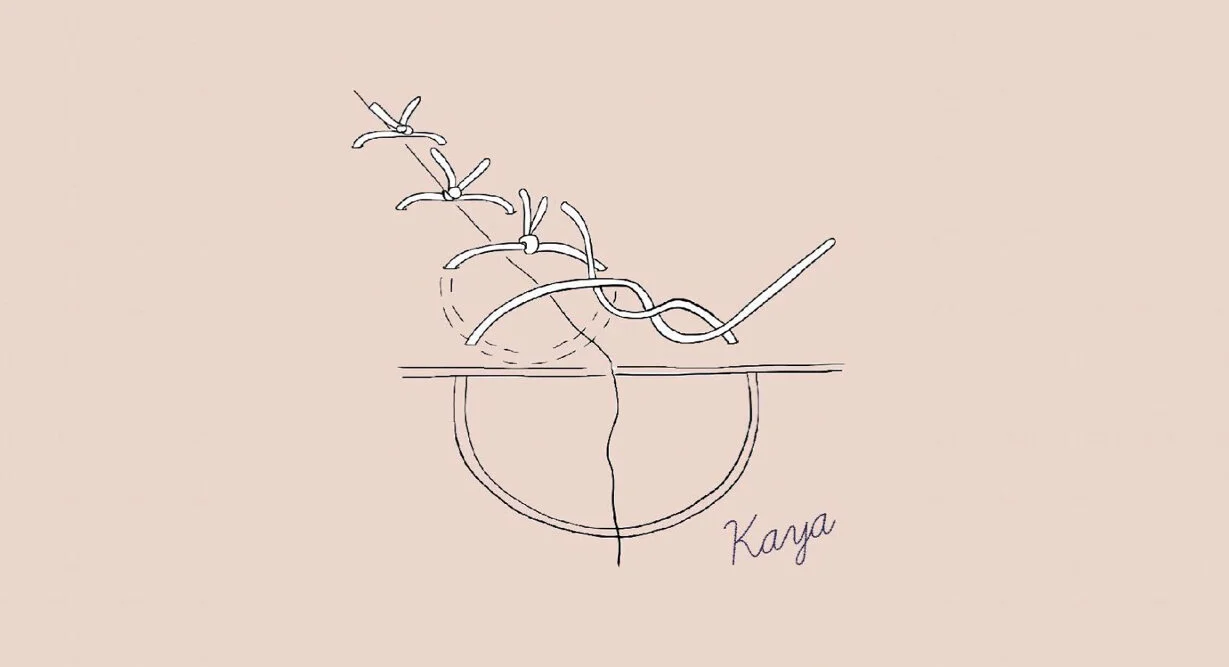
Surgical knowledge and productivity tips. Topics covered are:
💉 Simple interrupted sutures
💉 Acute cholecystitis
⌛ Time blocking
🧠 Teach me anatomy
Welcome to the second newsletter!
The plan for this week's newsletter:
1- Surgical skill: Simple interrupted sutures
2- Surgical topic: acute cholecystitis
3- Productivity tip: time blocking.
5- Interesting app: Teach me anatomy
Let's begin!
Surgical skill: Simple sutures
Simple interrupted sutures are the most common suture employed for closure of lacerations. A fine smooth non absorb-able suture, e.g. Nylon or polypropylene is used for this because it causes much less tissue reaction than silk. Cutting needles are used for applying this suture. The needle should pass at a right angle to the incision line and should pass through the whole thickness of the wound.
Sutures should be tied with a tension just enough to approximate the edges without causing constriction. If sutures are tied too tightly they will cause ischemia, delay healing and increase scarring.
Advantage of a simple interrupted suture
These have the advantage that, when used in a series, failure of one does not necessarily prejudice the other stitches.
Potential weakness of simple interrupted sutures
The potential weakness is that each one is held by a knot; even when knots are perfectly ties and tightened they reduce the strength of the thread considerably. A roughly tied, snatched or imperfectly tightened knot may reduce the strength of the thread considerably.
1- Simple interrupted suture (wound suturing) - OSCE Guide (Youtube Channel: Geeky Medics)
2- How To Suture: Intro To Suturing Like a Surgeon (Youtube Channel: Buck Parker, M.D.)
Tip: keep practicing till you can do it absentmindedly.
I met a medical student who kept practicing simple interrupted sutures at home using chicken skin. She continuously practiced and when was given a chance to suture at a surgery, the hours she spent practicing were visible as her technique didn't need much directing.
Keep practicing if you're a student, consultants are more likely to give you a suturing chance if they see you have the skill and are able to demonstrate it.
Topic of the week: acute cholecystitis
Definition: Acute chronic inflammation of the gallbladder, causing severe abdominal pain.
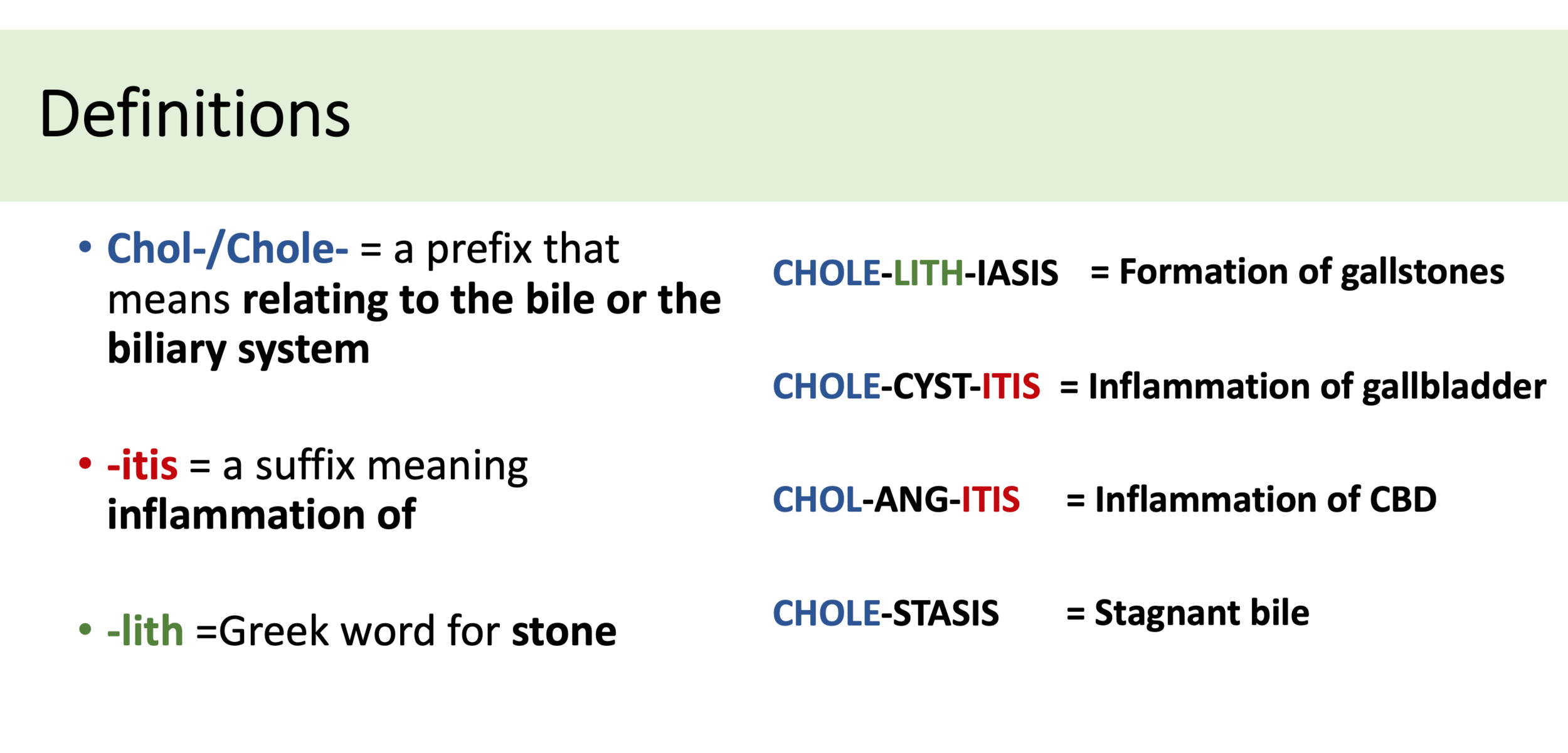
The image below shows some important definitions
Pathophysiology:
Acute cholecystitis is usually caused by a gallstone obstruct-ing the outlet from the gallbladder. The trapped bile causes irritation of the gallbladder walls and may become infected by bacteria.
Initially, acute cholecystitis is an inflammatory process, probably mediated by the mucosal toxin lysolecithin,a product of lecithin, as well as bile salts and platelet-activating factor. An increase in prostaglandin synthesis amplifies the inflammatory response. In acute cholecystitis, the gallbladder wall becomes grossly thickened and reddish with subserosal haemorrhages. Peri-cholecystic fluid often is present. The mucosa may show hyperemia and patchy necrosis. In severe cases, about5% to 10%, the inflammatory process progresses and leads to ischemia and necrosis of the gallbladder wall. More frequently, the gallstone is dislodged and the inflammation resolves
Clinical features:
Site –Right upper quadrant pain
Onset –Acute
Characteristic -Sharp
Radiation –Right flank & back
Associated symptoms–Fever(<38.5ºC), nausea, vomiting
Timing –Constant(hours-days)
Exacerbating factors–exacerbated by fatty meals
Severity –severe pain
Investigations:
Full blood count, urea and electrolytes, blood culture and serum amylase - in acute presentations
Ultrasound - procedure of choice. Identifies stones, determines wall thickness and assesses ductal dilatation.
Definitive management
Admit patient
Keep nil per oral and ensure adequate iV fluid hydration
Analgesia
Definitive management: cholecystectomy (the method used is laparoscopic cholecystectomy, however, in a small number of patients conversion to open cholecystectomy is required).
References:
1- Oxford Handbook of Clinical Surgery - 4th Edition
2- Basic surgical skills & techniques
Productivity tip - Time blocking
If you struggle to find time to focus on important tasks or often find yourself overwhelmed with many things to do and not enough time because of constant distractions that you face by notifications from your email or phone then time blocking is an effective way to take control of your day and is a simple solution.
You basically have to divide your day into blocks of time. Each block is assigned to a specific task that you have to get done. This is not the same as having a to-do list because here we are assigning a specific section of our day for a specific action.
For example, if you schedule a time block from 12pm to 3pm for anatomy. Then you'll know that you have 3 hours to spend on that subject on that day. This helps increase your awareness of how long you are spending on each task or each subject and will help you schedule the rest of your days.
Time blocking also has the advantage of giving you a time limit on how much time you can spend on a task and that might act as a reason for you to finish some tasks within the specified time, something that might have taken longer otherwise.
Personally I like to have a weekly spread of time-blocks. That was I have a good overview of my week and know which tasks are not postponable and know how many hours a day I am spending on specific tasks.
Here are some videos to have a look at on youtube to have an idea about time blocking and how others use it:
1- Timeboxing: Elon Musk's Time Management Method (Youtube Channel: Thomas Frank)
2- Time Blocking with Google Calendar (Tutorial & Tips) (Youtube Channel: Simpletivity)
Interesting link/app
Working in the surgery department means that you always have to keep your anatomy knowledge up to date and ready to be used at all times. In order to keep revising my anatomy I can't always open books or youtube videos as that isn't always possible, especially when being in the hospital with only a short amount of free time.
One of the apps that I continuously use is called Teach Me Anatomy
This is one of my favourite go-to apps and is a constant source of good-quality anatomy pictures.
My advice:
Anatomy is easy to forget. Once you're done with exams you might not revisit it again unless you're in hospital wards or the operation theatre and suddenly find that you have forgotten the dermatomes of the upper limb or the applied anatomy required during an appendectomy or a cholecystectomy. This app is quite useful for quickly refreshing anatomy knowledge so it is good to keep it downloaded and ready for quick access.

You can download the app from the following links:
Do you have any specific surgical topic that you want to read about next week? You can always make suggestions as I plan to make this newsletter as useful to you as possible. Feel free to contact me at scrubsandsutures@gmail.com or on twitter and I will try to tailor the next one for you.
Thank you for reading and stay tuned for more topics next week!
